
About Hampta Pass Trek
Hampta Pass sits quietly between two very different worlds, and that contrast is exactly why the
The Hampta Pass trek feels so special. Starting from the green, forested Kullu valley near Manali, this
trail slowly pulls you upward and eventually drops you into the stark, dramatic landscapes of Spiti.
Few treks change scenery this completely in just five days.
At 14,100 feet, the pass itself feels like a true mountain crossing, but don’t let the altitude scare
you. The hampta pass trek is rated easy to moderate, which makes it ideal for beginners who want
a real Himalayan experience and intermediate trekkers who enjoy variety without extreme difficulty.
The trail is demanding enough to feel rewarding, but never overwhelming.
What really defines this Himalayan trek is the transition. One day you’re walking through lush
meadows and pine forests, and the next you’re surrounded by brown, barren mountains that look
straight out of another planet. That crossover is what people remember long after the trek ends.
When to go and what to expect
Altitude-wise: The highest point of the hampta pass trek is 14,100 ft, giving you the thrill of a high
mountain pass without prolonged exposure to extreme altitude.
Timing depends on the experience you’re looking for:
June to early July means snowfields near the pass, making the trek adventurous and dramatic.
Mid-July to September offers greener valleys, flowing streams, and easier trail conditions.
This window is generally considered the best time for Hampta Pass trek for most trekkers.
Duration: The trek runs for 5 days, starting and ending in Manali, making it a compact and well-paced
Hampta Pass trek itinerary.
Trek distance: Approximately 26 km, spread comfortably across the days.
What you’re actually going to see out there
The early days of Hampta Pass trekking are all about greenery. Wide alpine meadows, grazing
sheep, river crossings, and mountains rising gently around you. The Kullu side feels alive, colorful,
and welcoming.
As you move higher, the trail narrows and the terrain starts changing. Rocks replace grass, the air
turns colder, and the landscape becomes raw. Reaching Hampta Pass itself is a moment — prayer
flags fluttering, cold wind hitting your face, and that sense of standing between two worlds.
Then comes the descent into Spiti. Suddenly, everything looks different. Dry valleys, sharp ridgelines,
and muted colors stretch into the distance. This dramatic shift is what defines the Hampta Pass
crossover trek.
Campsites that shape the journey
The camps on the Hampta Pass trek are simple but stunning. Nights are spent beside rivers, under
clear skies filled with stars. The sound of flowing water becomes your background music, and the
cold reminds you that you’re truly in the mountains.
Each campsite feels distinct, matching the changing landscape — green and lively on the Kullu side,
silent and rugged as you approach Spiti.
What you get with most trek packages
Accommodation: Alpine tents throughout the trek. Basic, warm, and comfortable enough for a good
night’s rest after long walking days.
Food: Freshly cooked vegetarian meals. Hot dinners, filling breakfasts, and packed lunches for the
trail. Simple food tastes incredible at altitude.
Guides & support: Experienced mountain guides and support staff who manage camps, safety, and
logistics so you can focus on enjoying the Hampta Pass trek.
What usually costs extra
Personal expenses like snacks, bottled drinks, and extra tea breaks.
Porter or mule services if you prefer not to carry your backpack.
Travel insurance, which is strongly recommended for any Himalayan trek.
Reaching the start point:
By train: Chandigarh railway station, followed by a road journey to Manali.
By road: Direct buses and taxis to Manali from Delhi and Chandigarh.
Pro tip: Reach Manali a day early to rest and acclimatize properly before starting the trek.
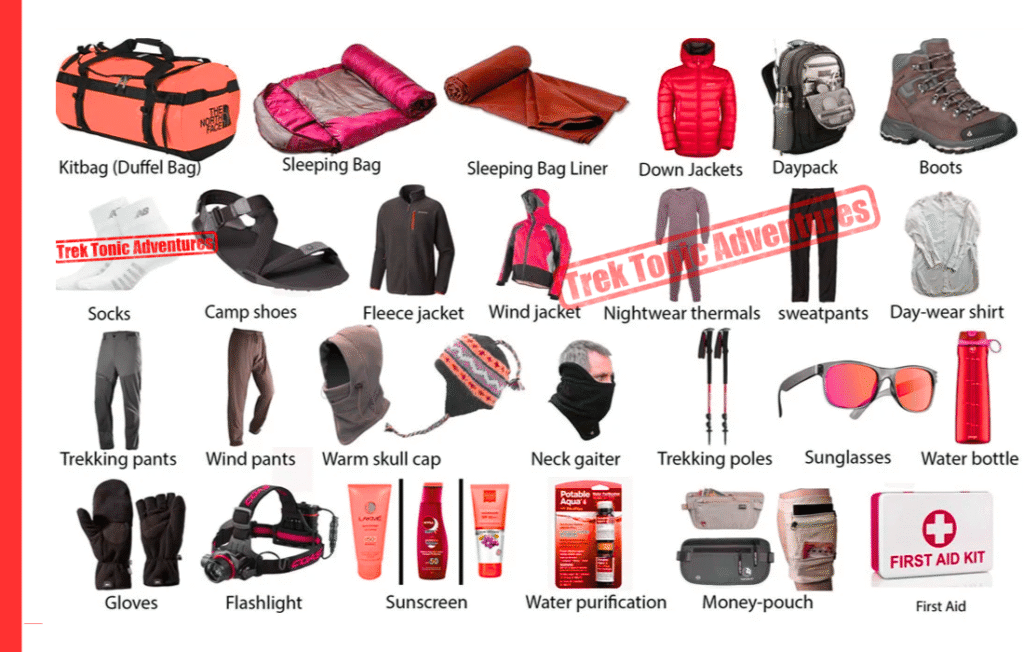
What to pack (keep it practical)
Sturdy trekking shoes with good grip
Warm layers and thermals
Waterproof jacket
Trekking poles (helpful for river crossings)
Reusable water bottle
Headlamp or torch
Basic first-aid and personal medication
Highlights Hampta Pass Trek
- Moderate difficulty trek (14,100 ft altitude) – suitable for fit beginners, with gradual ascent and no technical climbing required.
- Best time to do Hampta Pass Trek is June to September, when trails are open, weather is stable, and views are at their best.
- Unique landscape transition from green Kullu Valley to the stark, rocky terrain of Lahaul within just a few days.
- Total trek duration of 4–5 days, starting from Manali, with daily walks of 5–7 hours.
- Snow crossings and river streams (especially in early season) add adventure without being too risky with proper guidance.
- Not recommended in winter (December–March) due to heavy snowfall and closed routes for safety reasons.
- Best done with an organized trek operator or guide, as permits, campsites, and weather conditions require local expertise.